How Remote Arcade Machines Work: Live Video, Controls, and Recorded Results
A remote arcade machine lets you operate physical equipment from another location. Instead of standing in front of the cabinet, you watch the machine through live video and use on-screen controls. Your input is sent to the remote machine, the machine performs a physical action, and the completed play is recorded.
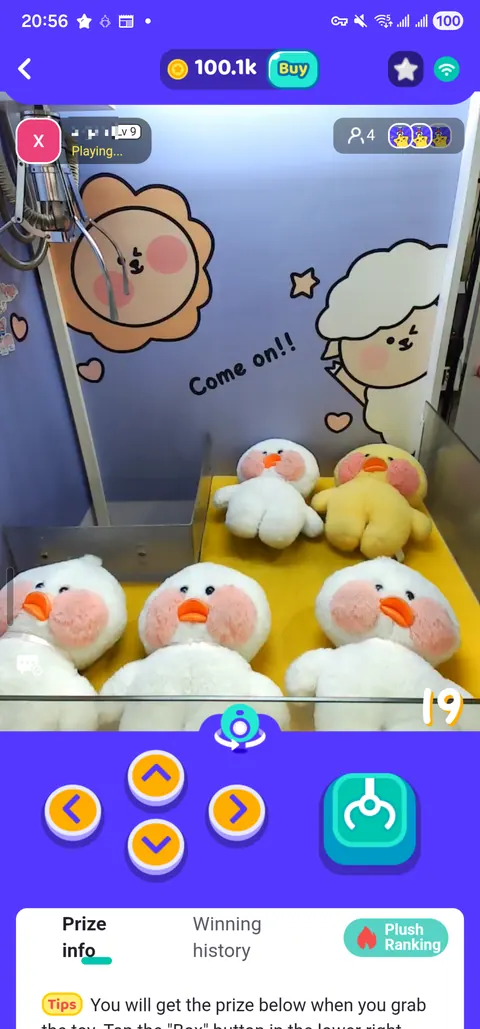
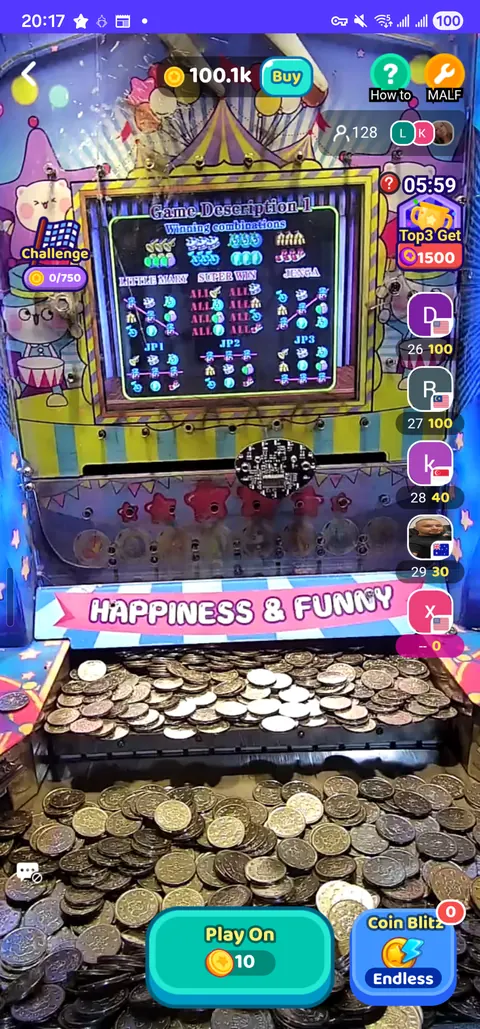
Overview
That basic chain—live view → player input → physical action → recorded result—is what separates remote physical play from a screen-only simulation. This guide explains the chain from a player’s point of view, using Claw Eden’s real claw machines and physical coin pushers as examples.
A remote arcade game connects four things
1. A physical machine
The cabinet, claw, pusher, tokens, playfield, and other moving parts exist at a real location. The app is a remote way to interact with that equipment; it does not replace the physical action shown in the machine view.
The exact controls depend on the machine. A claw machine needs movement and drop controls. A physical coin pusher uses a control for positioning the drop arm and releasing a token.
2. A live camera view
The video gives you a player view of the remote cabinet. It lets you observe the play area before an input and watch the machine respond afterward.
The camera shows the physical movement visible from the current view. Angle, framing, lighting, and connection conditions can affect what is easy to see. The picture alone should not be used to infer a guaranteed result, a win rate, or a current room rule.
3. On-screen controls
The controls turn a tap or press into a machine command. On a real claw machine, that may mean moving the claw and then dropping it. On a physical coin pusher, it may mean positioning the drop arm and releasing one token.
The player chooses the available input. The machine then completes the mechanical action. You do not directly control every movement that follows inside the cabinet.
4. A recorded result
The physical action and the account record answer different questions. The live view shows what happened in the cabinet; the recorded result shows what the completed play was credited with.
For a claw-machine play, touching, lifting, or briefly holding a prize is not enough. The prize must enter the prize chute and the play must be recorded as successful. For a physical coin pusher, the result is tied to what the real machine actually drops and what is recorded for that play.
How the two physical game types differ
In a real claw-machine game, the player uses the available controls to position and drop the claw. In a physical coin-pusher game, the player positions the drop arm and releases a token. The corresponding game pages explain each machine’s controls and recorded-result boundary in detail.
This guide stays at the shared remote-machine layer. It does not publish aiming advice, a best drop point, exact timing, payout rate, or guaranteed number of inputs.
Physical play and virtual play are not the same format
In remote physical play, the video shows equipment at another location and the input causes a mechanical action there. In virtual play, the playfield and result are produced in software.
This guide covers Claw Eden’s physical-machine formats only and does not teach players to identify a game from visual style alone.
What live video can—and cannot—tell you
Live video can show the cabinet, the visible starting position, your input taking effect, and the machine’s physical response. It can help you follow the sequence from action to outcome.
Live video does not by itself prove that a room is currently available, that a connection will never pause, that a camera reveals every angle, or that a particular input has a known probability of success. It also does not replace the recorded result when the visible state is unclear.
What should you do if the stream or controls stop?
Pause instead of sending more inputs. Check the result or latest state shown in your account. Keep the game or room and approximate play time, and contact Claw Eden Support if the record remains missing or inconsistent.
An interruption does not automatically mean a refund, replay, or compensation. Any account-specific resolution depends on the available record and the current approved support process.
Frequently asked questions
Are remote arcade machines real machines?
Remote physical arcade games use real equipment viewed through live video and operated with on-screen controls. This guide covers Claw Eden's physical claw machines and physical coin pushers.
Does the phone run the physical game as a simulation?
No. In the physical-machine format described here, the phone provides the video and control interface while the visible action occurs in a remote physical cabinet.
Does live video guarantee an instant response?
No. This page does not promise a fixed delay or uninterrupted connection. If the view or controls become unclear, pause and check the recorded state before continuing.
Which result should I use if the video is unclear?
Check the result recorded for the completed play. If it appears missing or inconsistent, contact support with the game or room and approximate play time.